
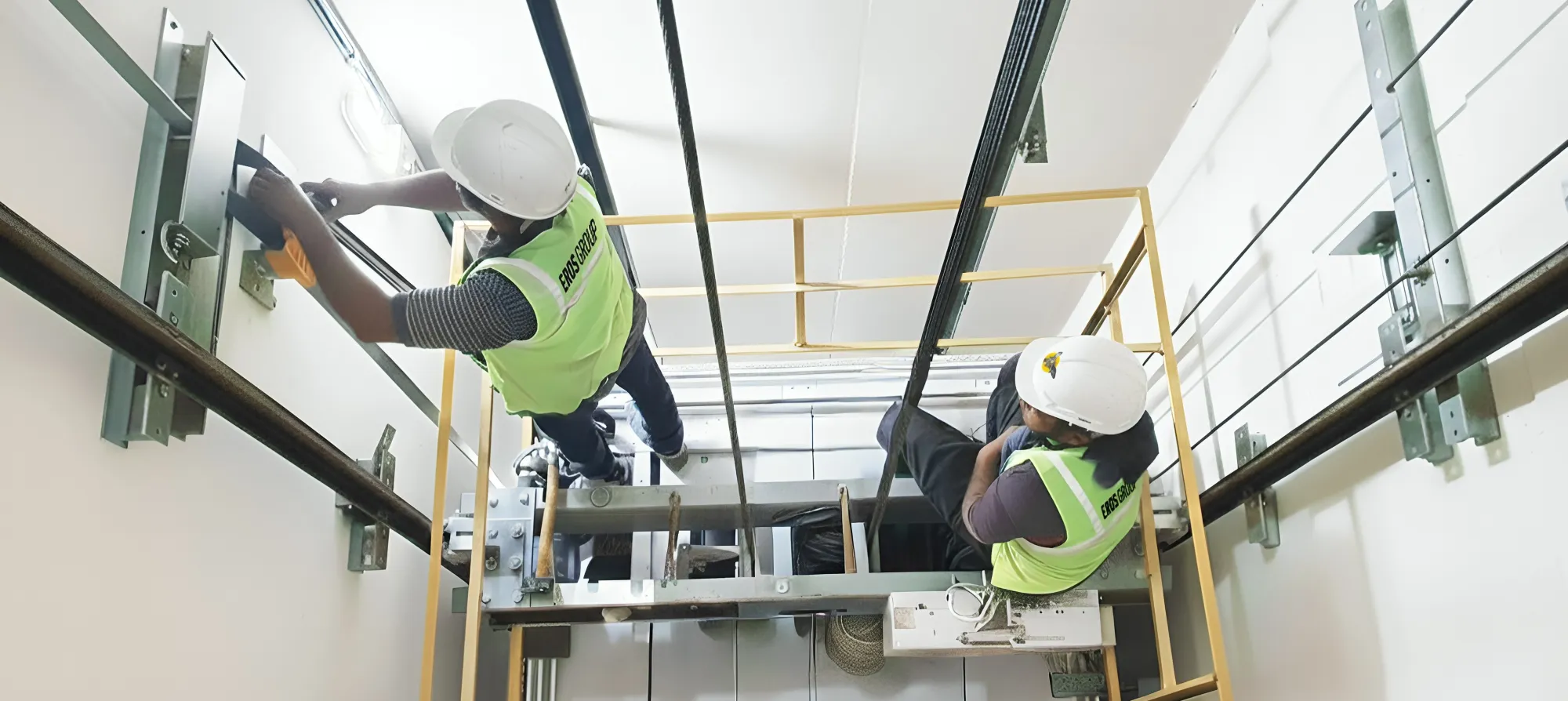
In a city where residential towers, commercial buildings, hospitals, hotels, and offices depend on vertical transportation every day, elevator reliability is more than a matter of convenience. A well-maintained lift supports smooth building operations, passenger safety, and consistent accessibility. This is why preventive maintenance has become an important part of elevator lifecycle management, particularly in busy urban environments such as Mumbai.
An Elevator AMC in Mumbai can provide a structured approach to maintaining elevator equipment throughout the year. Instead of waiting for a breakdown before calling a technician, an annual maintenance contract typically supports scheduled inspections, servicing, troubleshooting, and attention to components that may show signs of wear. The exact scope depends on the equipment, contract, manufacturer recommendations, and building requirements.
Why Preventive Elevator Maintenance Matters
Elevators consist of interconnected mechanical, electrical, and control systems. Components such as doors, controllers, motors, brakes, sensors, safety devices, and communication systems must work together correctly. A minor issue in one area can eventually affect the overall operation if it is ignored.
Preventive maintenance helps identify developing problems before they become major service interruptions. Regular inspections can also help maintenance teams understand recurring faults and determine whether a component needs adjustment, repair, or replacement.
For building owners and facility managers, this approach offers a more organized way to manage elevator performance rather than relying entirely on emergency repairs.
What Does an Elevator AMC Typically Cover?
The scope of an annual maintenance contract can vary, so building managers should review the agreement carefully before signing. Depending on the service arrangement, maintenance may include periodic inspections, cleaning, lubrication where applicable, testing of safety-related components, door checks, electrical inspections, fault diagnosis, and general operational checks.
Maintenance teams may also examine ride quality, door movement, levelling, unusual sounds, and other signs that indicate developing issues. Records of service visits can be useful because they create a maintenance history for the equipment.
A good AMC should clearly define visit frequency, response procedures, covered components, exclusions, replacement-part responsibilities, and emergency support. Clear documentation helps avoid misunderstandings and makes it easier for facility teams to monitor service quality.
Maintenance Is Especially Important for High-Usage Buildings
Not every elevator experiences the same operating conditions. A lift serving a small residential building may have a different usage pattern from one installed in a busy office complex, hospital, hotel, or shopping centre.
High-frequency operation can increase wear on components such as door mechanisms and other moving parts. In these environments, preventive maintenance becomes particularly important because unexpected downtime can affect a large number of people.
Facility managers should therefore consider factors such as traffic levels, elevator age, operating environment, manufacturer recommendations, and previous breakdown history when developing a maintenance schedule.
When Maintenance Should Lead to Modernization
Regular servicing cannot solve every problem. Older elevators may eventually require modernization when key systems become outdated, difficult to support, or increasingly unreliable.
Elevator modernization can involve selectively upgrading components such as controllers, signalization, door systems, safety devices, sensors, or drives. In other cases, a more comprehensive modernization may be appropriate. The objective is to improve safety, reliability, ride comfort, functionality, and compatibility with current requirements without automatically assuming that the entire elevator must be replaced.
For older equipment, maintenance records can help inform this decision. Frequent faults in the same component, declining ride quality, outdated controls, or difficulty sourcing suitable parts may indicate that a broader technical assessment is worthwhile.
The Role of Technology in Elevator Maintenance
Modern elevator systems can incorporate diagnostic and monitoring capabilities that make maintenance more informed. Depending on the equipment, remote monitoring and digital diagnostics can help maintenance teams identify faults and assess operating conditions more efficiently.
However, technology should complement—not replace—professional inspection and servicing. Physical components still require appropriate examination, adjustment, cleaning, and testing according to the system and applicable requirements.
Choosing the Right Maintenance Partner
Selecting an elevator service provider should not be based solely on the lowest AMC price. Building managers should evaluate technical expertise, availability of service personnel, maintenance procedures, documentation, spare-parts support, emergency response arrangements, and familiarity with the specific elevator system.
An experienced service partner should also be able to explain whether a problem can be addressed through routine maintenance or whether it indicates the need for repair, component replacement, or modernization.
Building Long-Term Elevator Reliability
Elevator maintenance is ultimately a lifecycle responsibility. A preventive approach helps building owners move from reactive breakdown management toward planned equipment care. Regular servicing, accurate maintenance records, timely repairs, and periodic technical assessments can all contribute to more dependable elevator operation.
For Mumbai’s increasingly vertical built environment, maintaining reliable vertical mobility is essential. An appropriately structured maintenance contract, combined with professional inspections and timely modernization when required, can help keep elevator systems safe, functional, and suitable for the demands placed on them over the long term.